
Fractional Helicopter Ownership vs Charter | Australia
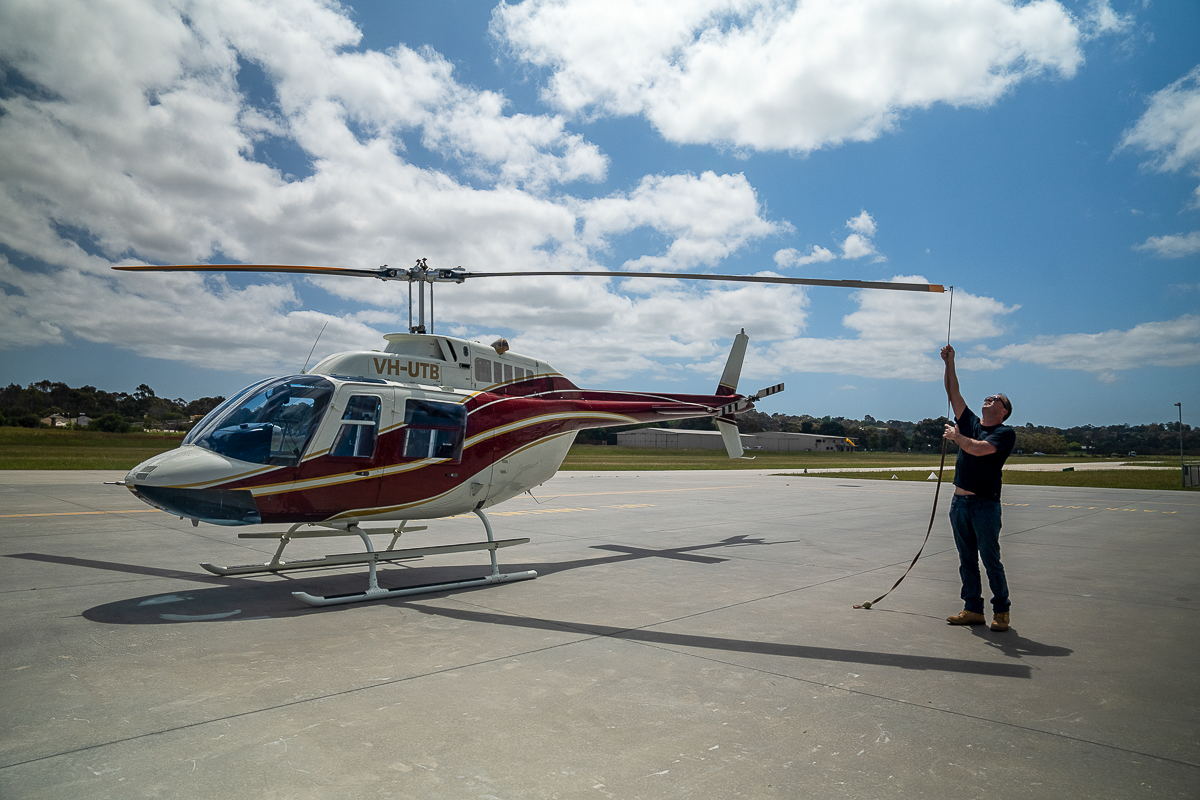
Choosing how to access a helicopter is not simply a question of whether you can afford to purchase one. The more important questions are how often you intend to fly, how much control you require, whether you want to own an asset, and how much operational responsibility you are prepared to accept.
For occasional or irregular flights, charter will generally be the most straightforward option. Full ownership may suit organisations with high utilisation, specialised missions or a requirement for complete operational control. Fractional helicopter ownership sits between the two: it provides genuine equity and scheduled aircraft access while distributing the capital requirements and operational responsibilities across a limited number of owners.
HeliShare’s current structure provides quarter-share ownership in a specific, professionally managed helicopter. A standard quarter share includes 75 guaranteed flight hours annually, with pilots, maintenance, insurance, hangarage, scheduling and administration managed on behalf of the owners. See our full quarter share cost breakdown for exact pricing.
What Is the Difference Between Charter and Helicopter Ownership?
The main difference is the relationship you have with the aircraft.
With charter, you purchase individual flights from an operator. You do not own the aircraft and normally have no equity after the flight has been completed.
With fractional ownership, you acquire a defined share in an aircraft and receive a corresponding allocation of access. The capital cost and fixed operating requirements are shared between a limited number of owners.
With full ownership, you acquire the entire aircraft and assume responsibility for its management, availability, maintenance programme, insurance, crewing, storage and regulatory compliance.
Helicopter Charter vs Fractional vs Full Ownership
ConsiderationCharterFractional ownershipFull ownershipUpfront capitalLowModerateHighestEquity in an aircraftNoYesYesAircraft accessSubject to operator availabilityDefined through the ownership agreementControlled by the ownerCost structureQuoted per flightShared fixed costs plus operating costsAll fixed and variable costsAircraft consistencyMay varyUsually a named or defined aircraftComplete consistencyMaintenance responsibilityCharter operatorManagement providerAircraft ownerPilot arrangementsCharter operatorCan be includedOwner must arrangeSchedulingBased on charter availabilityRules-based owner schedulingOwner-controlledExit valueNoneTransferable equity, subject to termsAircraft resale valueBest suited toOccasional usersRegular users wanting equity and managed accessHigh-use or specialist operators
When Does Helicopter Charter Make Sense?
Charter is generally appropriate when helicopter travel is occasional, the routes vary significantly, or the passenger does not need guaranteed access to a particular aircraft.
A charter operator is responsible for supplying the helicopter, pilot and operational support. The customer requests a flight, receives a quotation and pays for the service without taking on the responsibilities associated with ownership.
Charter may be suitable when:
- You only require a small number of flights each year.
- Your travel requirements are irregular.
- Different missions require different aircraft types.
- You do not want to commit capital to an aviation asset.
- Guaranteed access during specific periods is not essential.
- You prefer to assess helicopter use before entering an ownership structure.
The trade-off is that availability depends on the charter market. Aircraft type, positioning requirements, seasonal demand and crew availability may affect the timing and cost of a flight. For organisations that regularly require access at short notice, these variables can create operational uncertainty. HeliShare’s corporate ownership guide identifies availability, changing prices and peak-period constraints as recurring limitations of relying exclusively on charter.
When Does Full Helicopter Ownership Make Sense?
Full ownership provides the highest degree of control. The owner determines how the aircraft is configured, where it is based, who operates it and when it is available.
This may be necessary for companies conducting specialised work, commercial operators with consistent demand, organisations flying mission-critical routes, or private owners with sufficiently high annual utilisation.
However, the purchase price is only one part of the ownership decision. A full owner must also account for:
- Scheduled and unscheduled maintenance
- Engine and component reserves
- Insurance
- Hangarage
- Pilot recruitment and training
- Regulatory and technical compliance
- Aircraft administration
- Maintenance downtime
- Aircraft depreciation and eventual resale
Many of these costs continue whether the aircraft flies or remains in the hangar. This is why utilisation is central to the financial assessment. HeliShare’s existing ownership guidance advises that full ownership is more likely to make sense when utilisation is high, access is mission-critical and the owner is equipped to manage the associated financial and technical risk.
Full ownership may be appropriate when:
- You expect consistently high annual flying hours.
- The aircraft supports revenue-producing or mission-critical operations.
- You require a specialised cabin or equipment configuration.
- The helicopter must remain under your complete operational control.
- You have an experienced aviation management and engineering team.
- Your budget can absorb both planned and unplanned expenditure.
What Is Fractional Helicopter Ownership?
Fractional helicopter ownership allows several parties to co-own one aircraft. Each owner acquires a defined equity position and receives access corresponding to their share.
Unlike an informal syndicate, a professionally managed fractional model establishes the ownership structure, operating rules, scheduling process, cost allocation and exit provisions before the owners begin using the aircraft.
Under HeliShare’s current quarter-share structure, four owners share a helicopter and each standard quarter share provides 75 guaranteed flight hours per year. The operational requirements—including maintenance management, compliance, insurance, hangarage, pilot access, scheduling and administration—are professionally coordinated.
Why Choose Fractional Ownership Instead of Charter?
The primary distinction is that fractional ownership creates an ownership position rather than a series of individual flight purchases.
For a person or business flying regularly, fractional ownership can provide:
A defined allocation of access
Flight access is established within the ownership agreement rather than being entirely dependent on charter-market availability.
Equity in a specific aircraft
The owner holds a share in the aircraft. The value and transferability of that share remain subject to the ownership agreement, aircraft condition and market conditions.
Greater aircraft consistency
Owners become familiar with the aircraft, its cabin, operating standards and management team rather than receiving a potentially different charter aircraft for every trip.
Shared fixed costs
Hangarage, insurance, administration and other fixed requirements are distributed across the ownership group instead of being carried by one person or organisation.
Professional operational management
The owners do not need to personally coordinate every maintenance event, insurance requirement, pilot roster or compliance task.
A more predictable ownership structure
The operating model, cost allocation and scheduling rules are established in advance, helping owners understand how the aircraft will be managed.
Why Choose Fractional Ownership Instead of Full Ownership?
Fractional ownership is particularly relevant when someone wants the benefits of aircraft ownership but does not expect to use an entire helicopter’s annual capacity.
A helicopter may be available every day, but a private owner may only require it for a limited number of business trips, regional transfers, property visits or leisure journeys each year. In that situation, carrying the full aircraft cost and operational burden can be inefficient.
Fractional ownership aligns the owner’s capital exposure more closely with expected use. It also places the technical and administrative workload with an aviation management team.
This does not make fractional ownership automatically suitable for every buyer. The owner must be comfortable with shared scheduling rules, the defined annual flight allocation and the contractual terms governing use and transfer.
How Many Hours Do You Receive Through HeliShare?
A standard quarter share through HeliShare currently provides 75 guaranteed flight hours per year.
This allocation may suit owners who expect to fly regularly but do not require the utilisation capacity of an entire helicopter. Typical applications can include:
- Executive and corporate transfers
- Travel between regional business locations
- Infrastructure and property site inspections
- Access to remote assets
- Client and stakeholder transport
- Private and family travel
- Tourism and hospitality operations
HeliShare’s ownership positions are supported by a structured scheduling system designed to allocate access fairly across the ownership group.
Does Fractional Ownership Include a Pilot?
HeliShare makes professional pilots available for owners seeking a fully managed, turnkey experience.
This means the owner does not need to be a pilot or personally recruit and administer a flight crew. Pilot arrangements, aircraft management and the exact services included should be confirmed during the ownership review process.
Which HeliShare Aircraft Are Available?
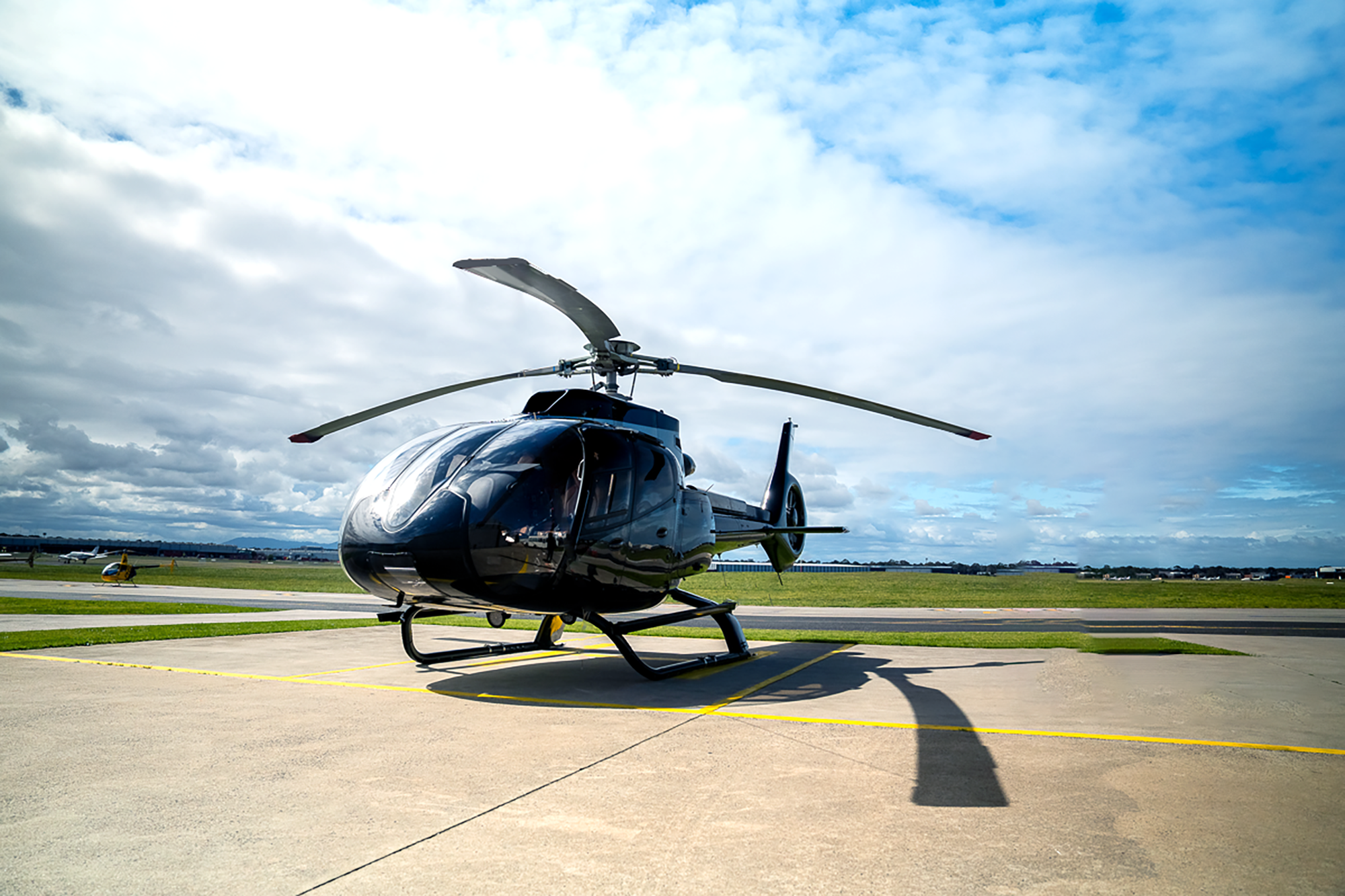
HeliShare currently lists an Airbus EC130 B4 and a Bell 206B III Jet Ranger for fractional ownership.
The 2010 Airbus EC130 B4 is based at Tyabb Airport on the Mornington Peninsula. Its listed specification includes new paint and leather interior completed in 2026, an updated avionics suite, seven Bose headsets, floats, a sand filter and completed 15-year engine inspections.
Explore the full available HeliShare helicopters to compare specifications and ownership positions.
Questions to Ask Before Choosing an Ownership Model
Before deciding between charter, fractional ownership and full ownership, consider the following:
1. How many hours will you realistically fly?
Base the decision on expected use rather than aspirational use. Review your actual business travel, regional commitments and leisure plans.
2. How important is guaranteed access?
Occasional users may be comfortable requesting charter flights as needed. Regular users may place greater value on a defined ownership-based allocation.
3. Do you want equity?
Charter provides transportation but no ownership position. Fractional and full ownership provide an interest in an aviation asset, subject to the applicable structure and terms.
4. How much operational responsibility do you want?
Full ownership gives you maximum control but also maximum responsibility. A managed fractional model transfers much of the operational workload to an aviation management team.
5. Do you need one aircraft type or several?
If your missions regularly change in passenger numbers, range or equipment requirements, charter may provide greater fleet flexibility. If your requirements are consistent, ownership in a suitable aircraft may offer a more repeatable experience.
6. What happens when your requirements change?
Review the transfer process, minimum holding periods, valuation method, sale conditions and other exit provisions before acquiring a share. Legal, financial, accounting and taxation advice should be obtained for your particular circumstances.
Which Helicopter Access Model Is Right for You?
Choose charter when your use is occasional, unpredictable or requires access to several different aircraft types.
Consider fractional ownership when you expect regular use, want genuine equity and more predictable aircraft access, but do not want the full capital and management requirements of owning an entire helicopter.
Consider full ownership when utilisation is high, the aircraft is mission-critical, specialised configuration is required or complete operational control is essential.
The right decision should be based on your expected flying hours, mission requirements, preferred level of control and tolerance for operational responsibility—not ownership status alone.
Frequently Asked Questions
Is fractional helicopter ownership the same as charter?
No. Charter customers purchase individual flights without acquiring equity in the helicopter. Fractional owners acquire a defined share of an aircraft and receive access according to the ownership agreement.
Is fractional helicopter ownership the same as a helicopter syndicate?
Both structures involve multiple owners, but an informal syndicate may require the owners to manage scheduling, maintenance, insurance and administration themselves. A professionally managed fractional programme establishes and administers these systems on behalf of the owners.
Can a business own a fractional helicopter share?
Yes. HeliShare offers corporate ownership positions through a structured ownership model. Businesses should have the structure reviewed by their legal, financial and accounting advisers before proceeding.
Can I sell my helicopter share?
HeliShare describes its ownership interests as transferable and provides an exit pathway, subject to the applicable ownership and transfer terms. Prospective owners should review the exact process, timing and valuation provisions before acquisition.
Where are HeliShare helicopters based?
The currently listed aircraft are based at Tyabb Airport on Victoria’s Mornington Peninsula. HeliShare welcomes enquiries from across Australia and New Zealand as the programme expands into additional regions.
Explore Fractional Helicopter Ownership with HeliShare
HeliShare is designed for individuals and organisations that value aircraft access, technical oversight, transparent scheduling and capital efficiency.
Rather than carrying the full operational burden of an entire aircraft—or relying solely on charter availability—you can acquire a genuine share in a professionally managed helicopter.
Speak directly with the HeliShare team to review the available aircraft, ownership structure, annual flight allocation and whether fractional ownership aligns with your requirements.
Call: 1300-SHARE1
Email: ben@helishare.net

.png)
.png)
.png)
.png)
.png)
.png)