
The Real Cost of Owning a Private Helicopter 2025 Guide
The Real Cost of Owning a Private Helicopter: A 2025 Year-End Guide
As of the end of 2025, owning a private helicopter typically requires USD 600,000–900,000 per year in total operating costs when flown at moderate utilisation (200–300 hours annually). For most private owners flying 40–100 hours per year, the effective cost per flight hour escalates dramatically, often exceeding USD 8,000–15,000+ per hour, once fixed costs are correctly amortised. This utilisation mismatch is the primary reason many owners transition to fractional ownership or professionally managed access models.By the end of 2025, the real cost of owning a private helicopter typically exceeds expectations. For a modern single-engine aircraft such as the Airbus EC130, owners must plan for seven-figure annual ownership exposure (USD 3.8-4.5M) once fixed costs, maintenance reserves, insurance, staffing, and depreciation are fully accounted for. Most private owners fly fewer than 70 hours per year, making cost-per-hour extremely high and driving strong demand for fractional ownership and professionally managed access models.
What Does It Really Cost to Own a Private Helicopter in 2025?
Private helicopter ownership is best understood as a fixed-cost-heavy asset model. The aircraft may fly infrequently, but the majority of ownership costs continue regardless of utilisation.
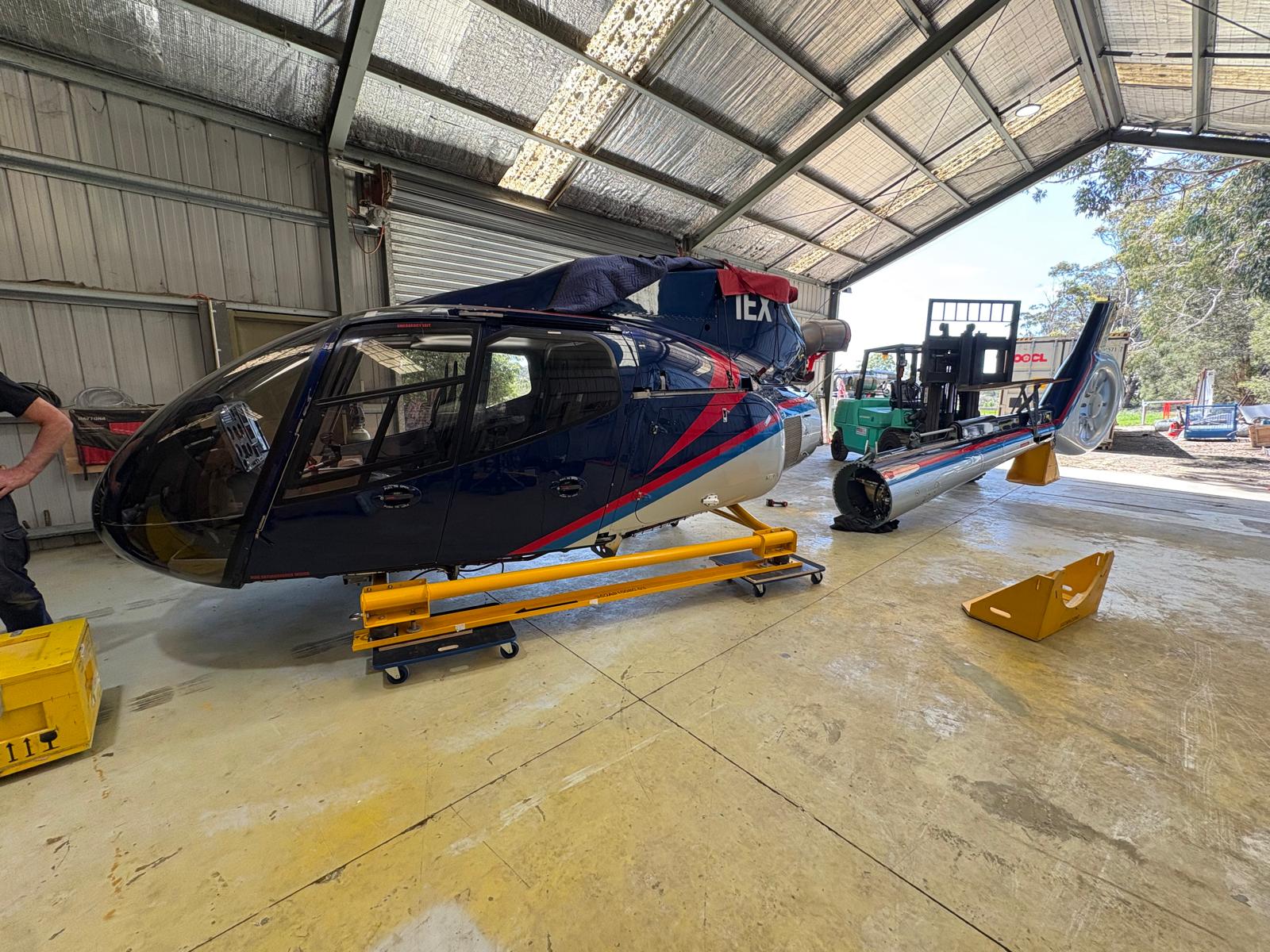
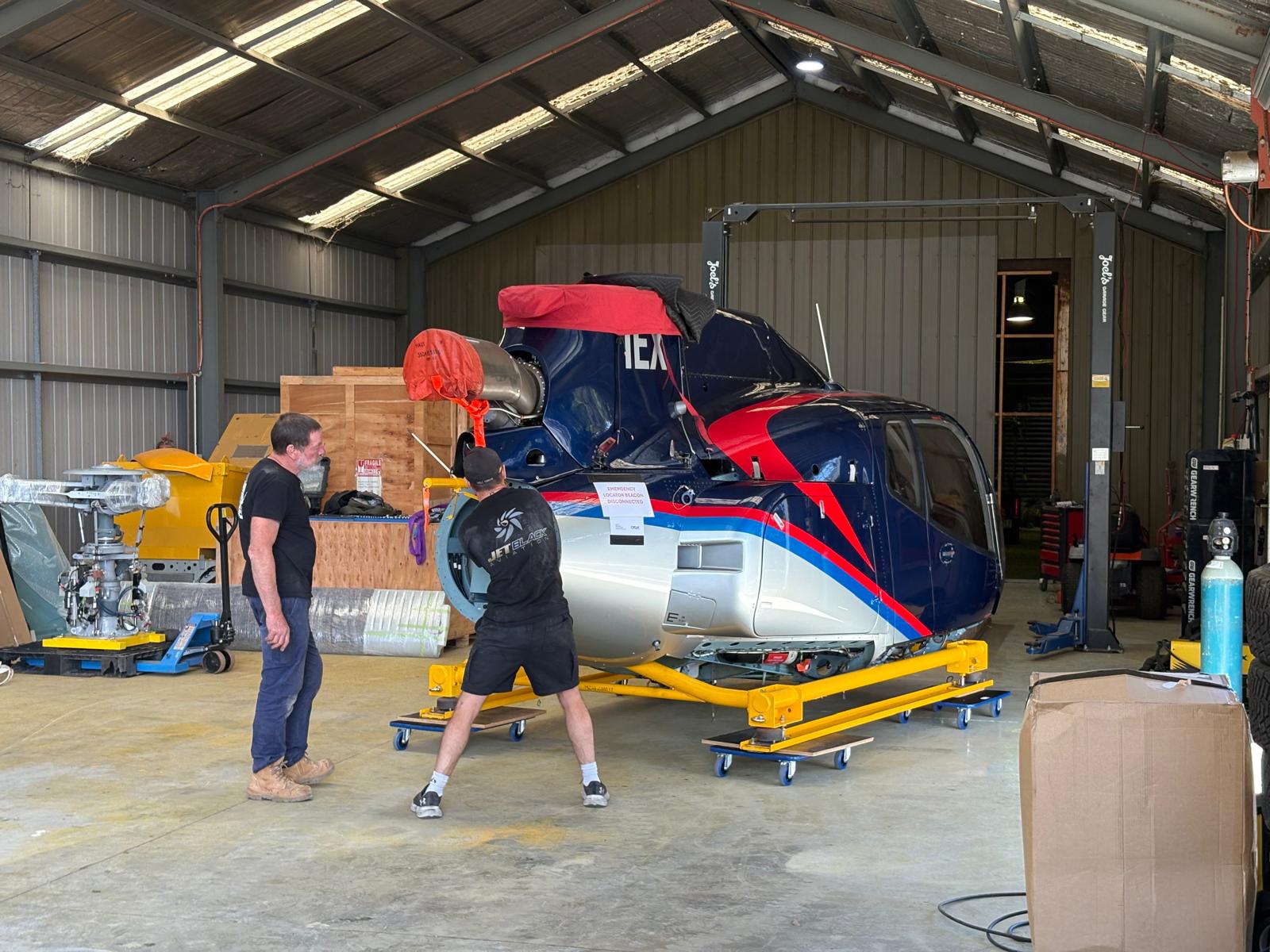
A modern single-engine turbine such as the Airbus EC130 is a common benchmark for private ownership discussions due to its cabin comfort, noise footprint, and versatility.
1. Aircraft Acquisition: Entry Cost, Not Total Cost
Typical Purchase Prices (2025 Market)
- Airbus EC130 / H130: USD 3.0–4.5M (depending on age, avionics, and condition)
- Bell 407: USD 3.5–4.5M
- Robinson R44: USD 600K–800K
- Airbus H145: USD 6–16M (used to newer examples)
Key clarification:
The purchase price is only the capital entry point. It does not reflect the ongoing cost profile that determines whether ownership is sustainable.
2. Annual Operating Costs (Verified 2025 Ranges)
Rather than fixed totals, costs must be evaluated relative to utilisation.
Typical Total Operating Budget
(Single-engine turbine, professionally maintained)
- At 200–300 flight hours/year:
USD 600K–900K total annual operating cost
This aligns with published aircraft operating cost models and reflects realistic 2025 labour, parts, and insurance conditions.
3. Maintenance & Engineering (Largest Cost Driver)
Indicative annual range: USD 250K–500K+
(Highly utilisation- and condition-dependent)
Includes:
- Scheduled inspections (100-hour, annual, calendar-based)
- Labour (licensed engineer shortages remain a 2025 issue)
- Parts and consumables
- Maintenance reserve accruals
Engine & Component Overhauls
- Turbine engine overhaul events frequently approach seven-figure USD costs
- Driven by time and calendar limits, not just flight hours
- Most private owners encounter this exposure within 7–10 years
Critical insight:
Flying less does not proportionally reduce maintenance cost.
4. Insurance (Tight Market Reality)
Indicative annual range: USD 80K–250K+
Premiums are influenced by:
- Pilot experience and recency
- Aircraft value and claims history
- Low utilisation (higher perceived risk)
- Operating environment
In 2025, insurers increasingly penalise low-hour private operations relative to professionally managed fleets.
5. Hangarage & Storage
Indicative annual range: USD 50K–120K+
- Secure, climate-controlled hangars are now standard for asset protection
- Costs persist regardless of flight activity
- Metropolitan airport capacity constraints continue to push pricing upward
6. Pilot & Training Costs
Indicative annual range: USD 80K–200K+
Options include:
- Full-time employed pilots
- Contract pilots (daily rates)
- Owner-pilot operations (still requiring recurrent training, medicals, and currency)
Even owner-pilots must budget USD 15K–30K annually for training and compliance.
7. Fuel & Variable Operating Costs
Indicative annual range (low utilisation): USD 30K–80K
- EC130 fuel burn: 60–65 gallons/hour
- Fuel is not the primary cost driver
- Visibility of fuel costs often distracts owners from far larger fixed expenses
8. The Hidden Costs That Catch Owners Off Guard
Regulatory & Compliance Drift
- Mandatory service bulletins
- Avionics and navigation upgrades
- Changing regulatory interpretations
These costs are non-deferrable and often unplanned.
Downtime
When the helicopter is grounded:
- Fixed costs continue
- Capital remains idle
- Planned travel or operations are disrupted
Downtime is a real financial cost, not just an inconvenience.
Depreciation & Exit Risk
- Typical depreciation: 5–8% annually
- Resale value depends heavily on:
- Maintenance records
- Component life remaining
- Market sentiment and insurance appetite
- Maintenance records
Many owners only quantify depreciation when attempting to sell.
9. The Utilisation Problem (Why Ownership Often Fails)
Observed private ownership pattern (unchanged in 2025):
- Average private owner: 40–100 flight hours/year
- Fixed costs dominate
- Effective cost per flight hour escalates rapidly
Result:
At low utilisation, even a helicopter with a nominal USD 700K annual operating budget can translate into USD 8,000–15,000+ per flight hour once fixed costs are correctly allocated.
This is the structural reason most private helicopter purchases quietly unwind within a few years.
10. Why Fractional Ownership Has Accelerated by 2025
Fractional helicopter ownership has matured into a mainstream access model.
Key Characteristics
- Shared capital exposure
- Defined flight hour allocation
- Centralised professional management
- Predictable cost structure
Why It Works
- Fixed costs spread across multiple owners
- Higher aircraft utilisation improves efficiency
- No direct exposure to maintenance shocks
- Owners focus on access, not asset management
Is Full Ownership Ever the Right Choice?
Full Ownership Makes Sense When:
- Annual utilisation exceeds 150–200 hours
- Helicopter access is mission-critical for business
- Owner understands and accepts technical and financial risk
- Budget comfortably absorbs high fixed costs
Alternatives Are Better When:
- Flying is recreational or intermittent
- Predictable costs matter
- Time and cognitive load are valuable
- Ownership is about access, not mechanical oversight
2025 Reality Check: Ownership Is a Strategy, Not a Status Symbol
By the end of 2025, the helicopter industry is aligned on one truth:
The cost of owning a helicopter is driven more by utilisation and management than by purchase price.
The smartest participants are no longer asking “Can I buy a helicopter?”
They are asking “What is the most efficient way to access one?”
Key Takeaways
- Purchase price is only the entry point
- Typical annual operating budgets: USD 600K–900K at moderate utilisation
- Low utilisation dramatically increases cost per hour
- Maintenance and compliance dominate long-term costs
- Fractional ownership reduces exposure while preserving access
Bottom line:
Private helicopter ownership in 2025 demands financial resilience, technical understanding, and realistic utilisation planning. For most individuals and businesses, professionally managed fractional ownership delivers the benefits of helicopter access without the hidden costs, volatility, and operational burden of full ownership.

.png)
.png)
.png)
.png)
.png)
.png)