
Behind the Scenes: Preparing an EC130 for Shared Helicopter Ownership
Introduction: What It Really Takes to Prepare an EC130 for Shared Ownership
Before an EC130 is made available for shared ownership, it goes through a deliberate, highly controlled preparation process. This is not simply a case of “assembling a helicopter and handing over the keys.” Shared ownership demands higher standards of predictability, reliability, and consistency, because multiple owners will rely on the aircraft over its entire operational lifecycle.
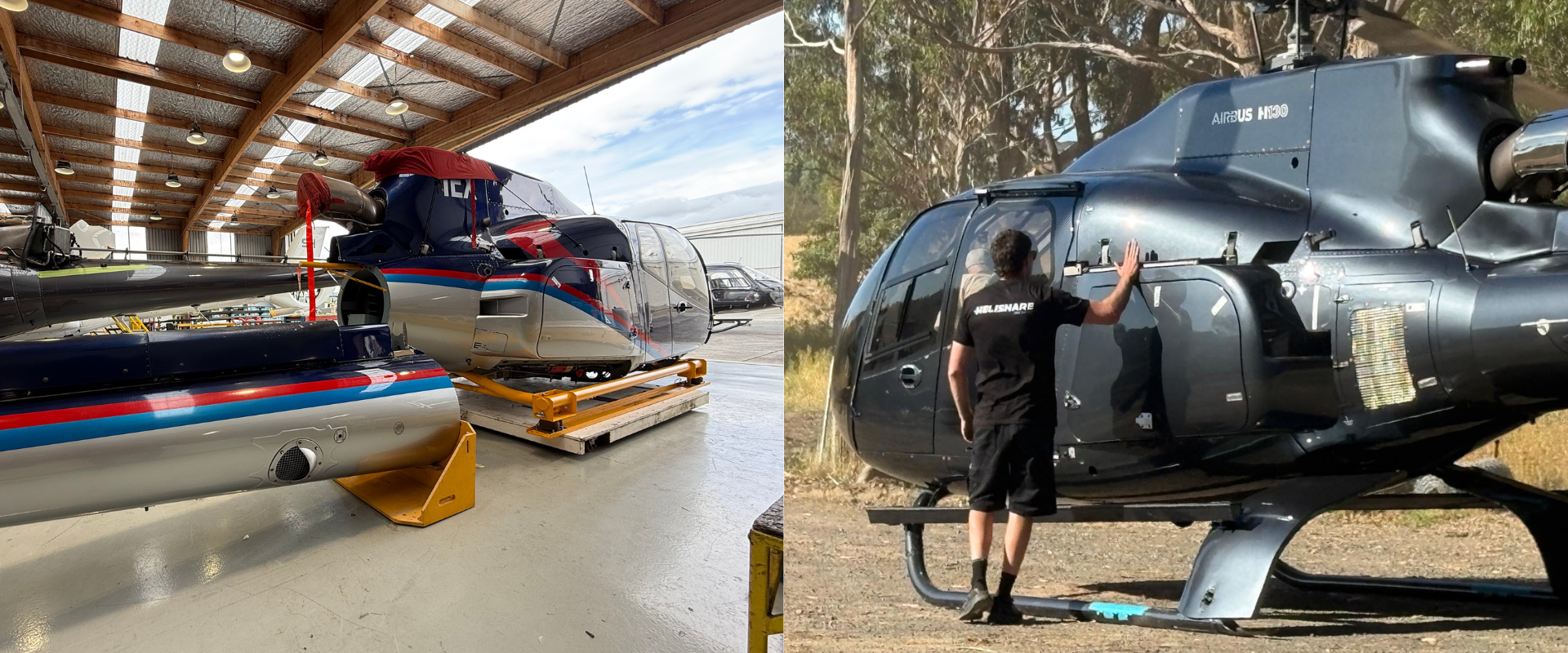
With behind-the-scenes access to the EC130 currently being prepared, including before-and-after assembly photos, this article outlines what is actually happening inside the hangar and why each step matters.
Why the EC130 Is Ideal for Shared Ownership
The EC130 is widely regarded as one of the most refined single-engine helicopters in its class. It is selected for shared ownership programs because it offers:
- Exceptional cabin space and visibility
- Low external and internal noise levels
- Proven engine and airframe reliability
- Strong manufacturer support and parts availability
- Excellent performance for both private and commercial-style operations
However, these advantages only hold value if the aircraft is prepared correctly from day one.
Stage One: Arrival and Pre-Assembly Inspection
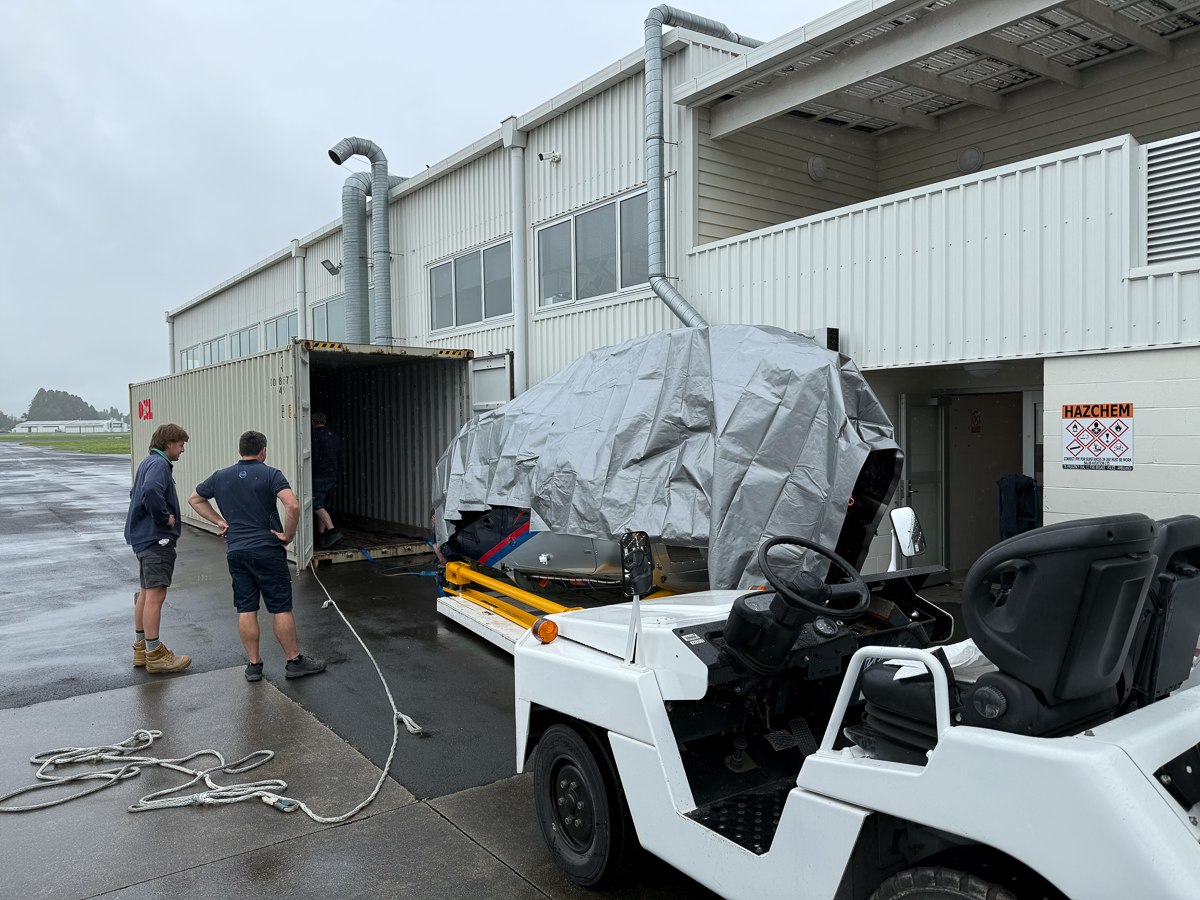
Before assembly even begins, the EC130 undergoes an initial condition assessment. This includes:
- Verification of shipping condition and packaging integrity
- Visual inspection of major components (airframe, rotor system, engine modules)
- Confirmation that all documentation, parts, and tooling are present and compliant
- Cross-checking serial numbers against logbooks and records
This stage ensures the aircraft starts its shared ownership life with full traceability and zero unknowns.
Stage Two: Precision Assembly in a Controlled Environment
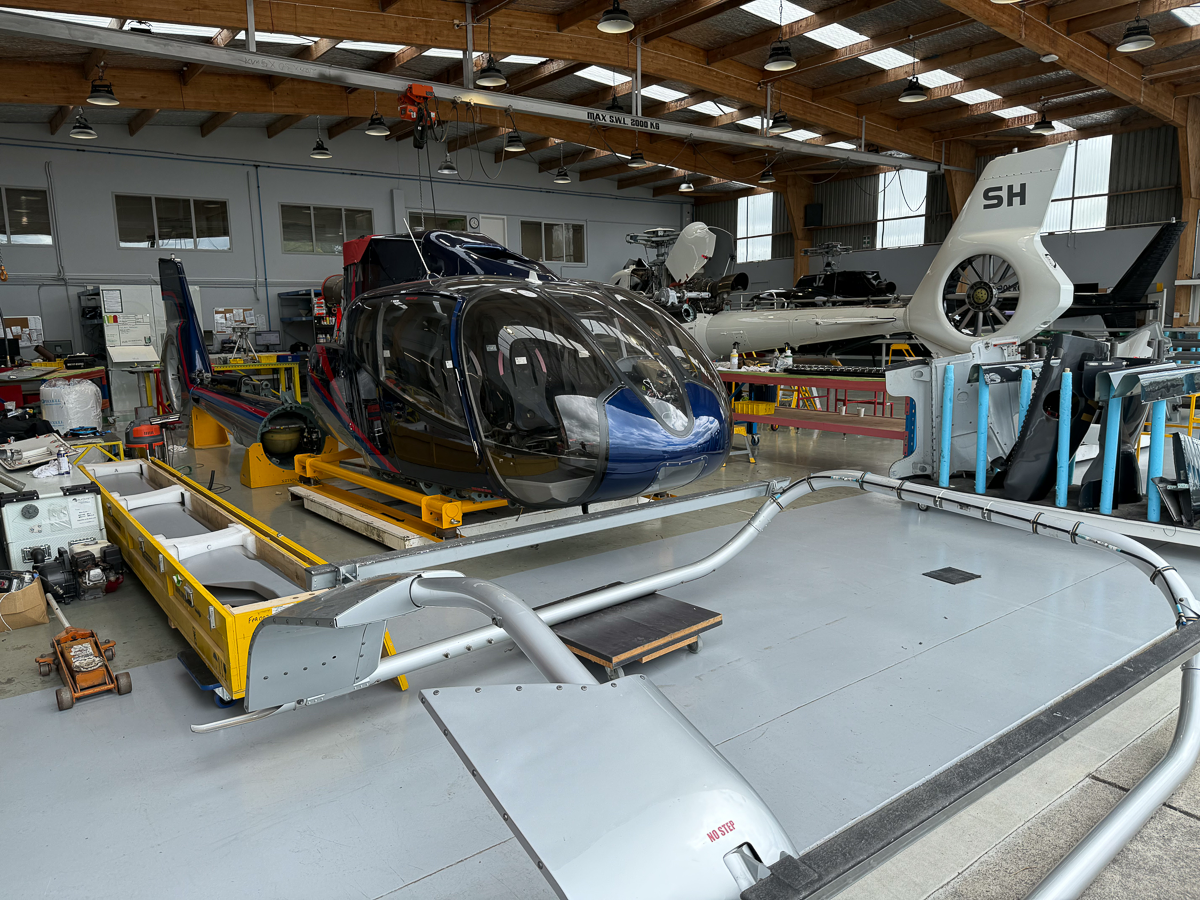
Assembly is performed in a controlled hangar environment by licensed engineers following manufacturer procedures.
Key focus areas include:
- Main rotor and tail rotor installation and alignment
- Powerplant integration and systems routing
- Avionics and flight instrument installation
- Electrical, hydraulic, and fuel system connections
- Torque verification and quality control sign-offs at each stage
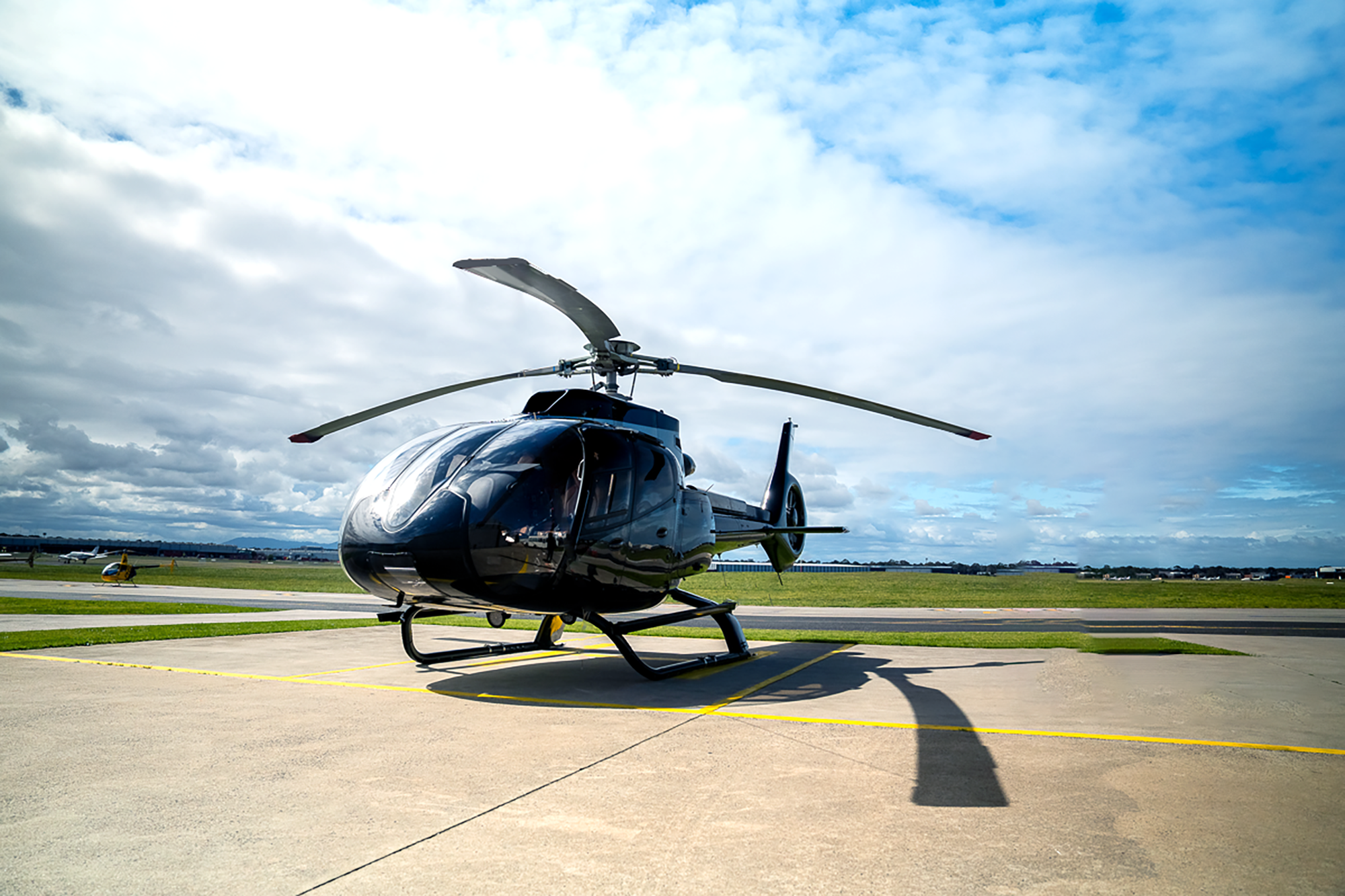
The “before and after” assembly photos capture this transformation, from individual components into a fully integrated aircraft, highlighting the precision required at every step.
Stage Three: Establishing a Clean Maintenance Baseline
For shared ownership, the EC130 must begin service with a clean and clearly defined maintenance baseline.
This process includes:
- Completing all scheduled and preventative maintenance tasks
- Resetting inspection intervals where applicable
- Ensuring all service bulletins and airworthiness directives are complied with
- Confirming accurate life-remaining calculations for critical components
This step is essential. It ensures that no owner inherits deferred maintenance or hidden costs from previous operational cycles.
Stage Four: Interior Configuration and Owner Experience
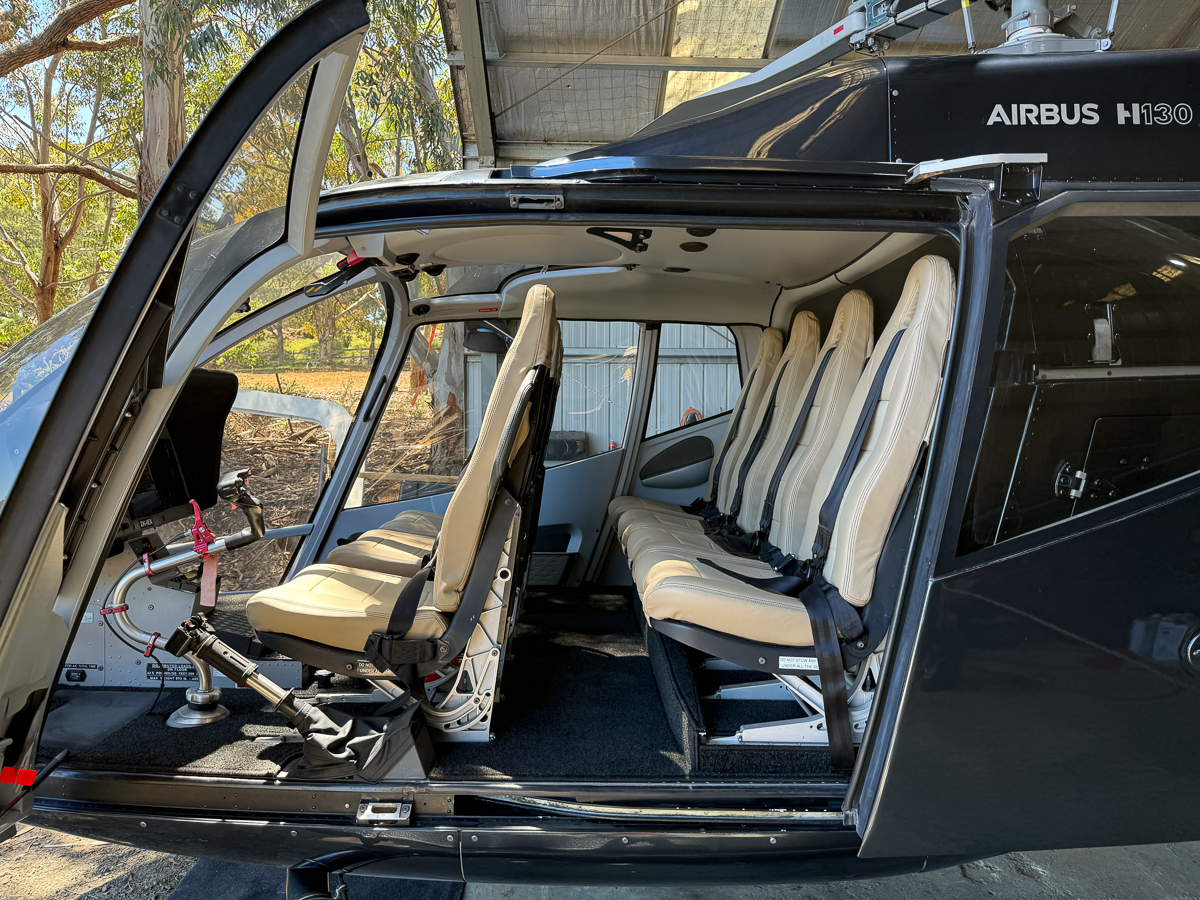
Unlike private ownership, shared ownership requires consistency. The EC130’s cabin is configured to deliver the same experience to every owner.
Attention is given to:
- Seating condition and layout
- Cabin finish, fittings, and noise insulation
- Headset integration and passenger comfort
- Climate control performance
- Ease of access and usability
The objective is not cosmetic perfection, it is repeatable quality and reliability.
Stage Five: Ground Runs and Functional Testing
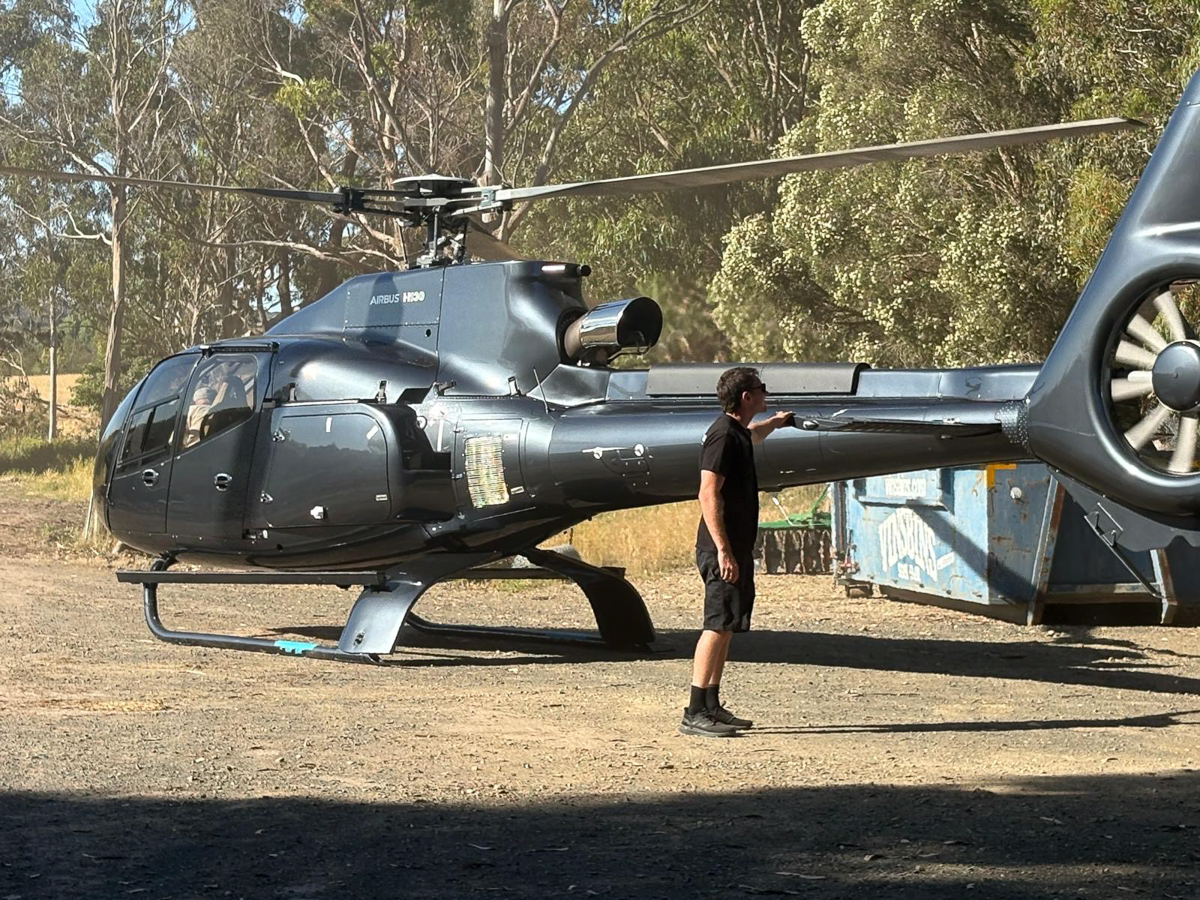
Once assembly and maintenance tasks are complete, the EC130 moves into operational validation.
Ground runs and checks verify:
- Engine performance and power stability
- Rotor tracking and vibration levels
- Avionics accuracy and system integration
- Electrical, hydraulic, and fuel system behavior
- Emergency systems and redundancies
Only once the helicopter demonstrates stable, predictable performance across all parameters is it cleared for operational use.
Stage Six: Preparing the EC130 for Shared Use
Shared ownership adds another layer of preparation beyond airworthiness.
This includes:
- Scheduling frameworks for fair flight-hour allocation
- Maintenance forecasting to minimise downtime
- Usage monitoring to protect long-term asset value
- Documentation systems for transparent reporting
This operational structure ensures the EC130 remains reliable, accessible, and financially efficient for every owner.
Ongoing Oversight and Asset Protection
Preparation does not end when the aircraft is assembled. The EC130 will be continuously monitored through:
- Proactive maintenance planning
- Trend analysis on key components
- Regular technical audits
- Lifecycle and resale strategy management
This level of oversight is central to shared ownership programs operated by companies such as HeliShare, where long-term asset protection is built into the model—not treated as an afterthought.
Shared Ownership Is Earned in the Hangar
The EC130 currently being prepared is a clear example of how shared helicopter ownership is built behind the scenes. Every inspection, torque setting, system check, and ground run is designed to deliver something owners rarely see, but always benefit from: confidence.
The real value of shared ownership is not just cost efficiency. It is knowing that when you arrive to fly, the aircraft is ready, predictable, and professionally managed, because the hard work was done long before the first owner ever stepped onboard.
.png)
.png)
.png)
.png)
.png)
.png)